
Location determines everything.
After a decade of consulting on Israeli relocations for European professionals, I’ve seen brilliant expats thrive—and equally brilliant ones struggle—based solely on their city choice. Moving to Tel Aviv attracts the most attention, but it’s not always the right call. This guide will give you the data-driven framework I use with clients to select between Israel’s three major expat hubs: Tel Aviv, Jerusalem, and Haifa.
By the end, you’ll have specific neighborhood targets, realistic budget expectations, and a clear decision matrix that accounts for your career stage, family situation, and lifestyle priorities.
Step 1: Match Your Career to the Right Job Market
The employment landscape varies dramatically between cities, and this should drive 70% of your decision.
Tel Aviv dominates tech and finance. Software engineers earn ₪25,000-45,000 monthly, with senior roles hitting ₪55,000+. The startup ecosystem centers around Rothschild Boulevard and the Sarona complex. However, competition is fierce—expect 3-6 month job searches even for experienced professionals.
Jerusalem offers government, academia, and NGO opportunities. Salaries run 15-20% lower than Tel Aviv (₪18,000-35,000 for equivalent roles), but housing costs offset much of this difference. The biotech corridor around Har Hotzvim is expanding rapidly.
Haifa excels in industrial engineering and research. Intel, Rafael, and the Technion create a stable job market with salaries matching Tel Aviv but far less volatility. The port and chemical industries provide opportunities rarely found elsewhere in Israel.
Step 2: Calculate Real Housing Costs by Neighborhood
Ignore the national averages—they’re meaningless. Here’s what you’ll actually pay in expat-friendly neighborhoods:
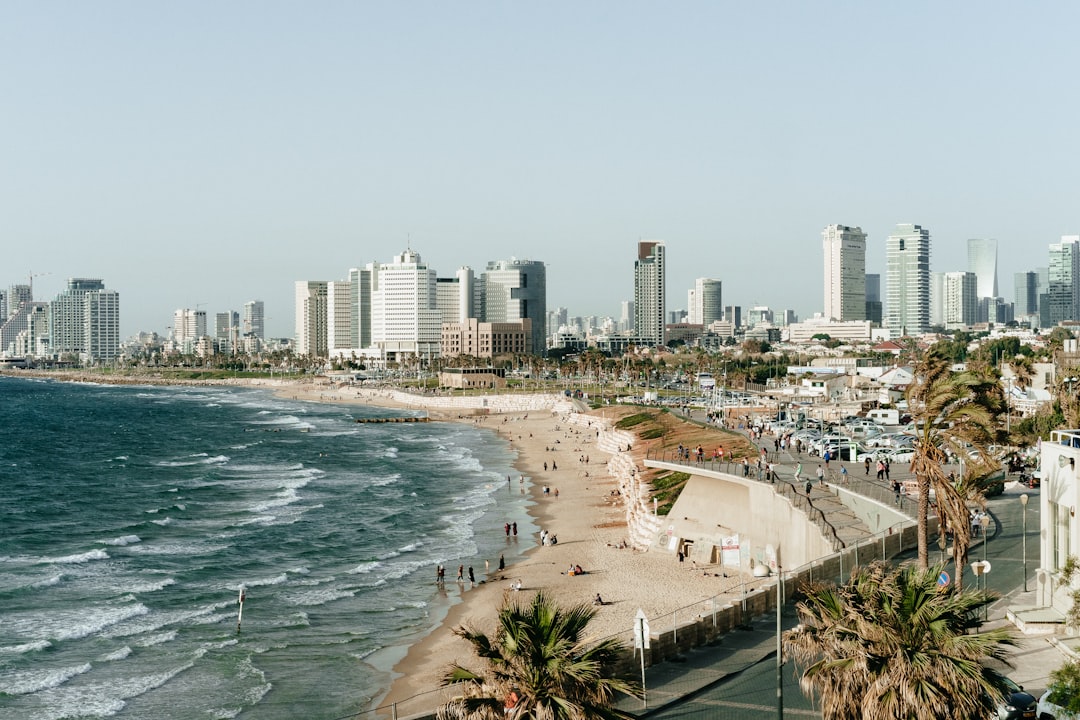
Tel Aviv’s premium zones: Neve Tzedek and Florentin command ₪8,000-12,000 for 2-bedroom apartments. Jaffa offers better value at ₪6,000-8,500, with rapidly improving infrastructure. Avoid Ramat Aviv unless you’re earning ₪40,000+ monthly.
Jerusalem’s sweet spots: German Colony and Baka provide walkable communities for ₪5,500-7,500. Talbiya costs more but offers unmatched charm. The newer Mamilla area works for finance professionals but feels sterile.
Haifa’s undervalued gems: German Colony (yes, another one) and Wadi Nisnas offer ₪3,500-5,000 rentals with character. Carmel Center provides mountain views for ₪4,500-6,500—prices unimaginable in Tel Aviv for comparable quality.
Step 3: Assess Transportation Reality
Public transit quality determines your daily quality of life more than most expats realize.
Tel Aviv’s bus system works but gets overwhelmed during rush hours. The new light rail helps, but won’t fully launch until 2025. Most professionals cycle or use Gett/Uber regularly, adding ₪800-1,200 monthly to transport costs.
Jerusalem’s light rail changed everything for north-south movement, but east-west routes still rely on overcrowded buses. Budget 45-60 minutes for cross-city commutes during peak hours.
Haifa’s Carmelit subway and bus network efficiently handle the city’s challenging topography. You’ll rarely wait more than 10 minutes for connections, and monthly passes cost just ₪230.
Step 4: Consider English-Speaker Density
This matters more than you think, especially during your first two years.
Tel Aviv concentrates English speakers in specific neighborhoods. Florentin and Neve Tzedek buzz with international professionals, while Rothschild area caters to finance expats. You’ll easily find English-speaking doctors, accountants, and service providers.
But Jerusalem might surprise you. The international organizations, universities, and diplomatic community create robust English-speaking networks in Rehavia, German Colony, and Baka. Plus, religious tourism ensures service availability.
Haifa requires more Hebrew proficiency. While the Technion brings international academics, the broader community operates primarily in Hebrew and Arabic. This accelerates language learning but increases initial adjustment stress.
Step 5: Evaluate Schools and Family Infrastructure
International school options shape family decisions more than any other factor.

Tel Aviv offers the American International School (₪65,000-85,000 annually) and several smaller programs. However, waiting lists stretch 18-24 months for popular schools.
Jerusalem provides more variety: American International School, French School, and excellent Hebrew-English bilingual programs. Costs run similar to Tel Aviv, but acceptance rates are higher.
Haifa’s international education scene is limited but improving. The Reali School offers strong English tracks, and Leo Baeck provides German-language education. For families prioritizing integration, this limitation becomes an advantage.
Step 6: Match Lifestyle Expectations to City Culture
Each city’s social rhythm differs dramatically.
Tel Aviv never stops. Beach culture, 24/7 restaurants, and constant networking events suit ambitious professionals under 40. The social pressure to maintain appearances—gym membership, trendy restaurants, weekend getaways—adds significant lifestyle inflation.
Jerusalem operates on a different frequency. Shabbat actually means something here, creating forced downtime that many expats initially resist but eventually appreciate. Cultural events center around museums, lectures, and intimate gatherings rather than club scenes.
Haifa offers Mediterranean-paced living with surprising cultural depth. The mixed Arab-Jewish population creates unique dining and arts scenes you won’t find elsewhere. It’s ideal for expats seeking authentic Israeli experience without Tel Aviv’s intensity.
Common Mistakes to Avoid
Don’t choose based on vacation visits. Tel Aviv’s beach appeal fades when you’re commuting daily in 35°C heat. I’ve seen too many clients relocate based on long weekend impressions.
Stop underestimating Jerusalem’s job market. The « government city » stereotype is outdated. Biotech, cybersecurity, and international organizations create diverse opportunities.
Avoid ignoring Haifa entirely. European expats especially should consider it seriously. The quality of life per shekel spent often exceeds both alternatives.
Don’t skip the Hebrew requirement analysis. Haifa demands stronger Hebrew skills faster. Tel Aviv allows English crutches that ultimately slow integration.
Your city choice will define your Israeli experience more than visa type or job title. Use this framework, visit each city for working days (not weekends), and trust the data over emotions. Whether you’re moving to Tel Aviv for startups, Jerusalem for stability, or Haifa for quality of life, the right choice depends on honest assessment of your priorities—not Instagram appeal.